
Mon–Fri 7 AM – 5 PM · Serving Mesa & the East Valley
When the neighborhood loses power, what happens inside your house? Generator installation in Mesa, AZ gives your home a backup power source, with equipment that transfers power to the circuits you choose.
104 Google reviews
projects completed
years of experience
Arizona ROC license
Tell us what you need repaired or installed, and we’ll help plan the right electrical service.
By requesting an estimate, you agree that Brighton EV may call or text you about your request. Message & data rates may apply.
Certified, accredited & trusted brands





A standby generator stays outside your home, ready to produce electricity when utility power fails. Inside, a transfer switch controls which power source the house uses. The switch prevents generator electricity from feeding back into utility lines, where it could endanger workers restoring power.
Unlike plugging an appliance into a portable generator, a permanent standby system is connected to the home’s electrical wiring. Depending on the equipment, backup power can reach a selected group of circuits or a larger portion of the house. An automatic system can start and transfer power without someone being home.
Generator installation in Mesa, AZ also requires a suitable outdoor location. The engine produces exhaust and heat, so placement near windows, doors, and air-conditioning equipment matters. Natural-gas or propane models need a fuel supply, and qualified professionals must perform the gas-piping work. Electrical connections must match the chosen generator and the existing home.
Two houses can have generators of similar capacity but very different backup arrangements. The transfer equipment and connected circuits determine what receives electricity and whether anyone has to intervene when the power fails.
What Happens During an Outage
A standby generator starts, and an automatic transfer switch supplies a designated backup panel
A standby generator starts, and an automatic transfer switch supplies a designated backup panel
What Receives Power
Selected lighting, refrigeration, outlets, or other chosen circuits
Selected lighting, refrigeration, outlets, or other chosen circuits
Main Tradeoff
Lower electrical demand, but circuits outside the backup panel remain off
Lower electrical demand, but circuits outside the backup panel remain off
What Happens During an Outage
The generator starts automatically while controls limit or delay certain large loads
The generator starts automatically while controls limit or delay certain large loads
What Receives Power
Much of the home, with selected equipment managed during generator operation
Much of the home, with selected equipment managed during generator operation
Main Tradeoff
High-demand appliances may not run simultaneously
High-demand appliances may not run simultaneously
What Happens During an Outage
An automatic transfer switch connects the home to a generator sized for the planned combined loads
An automatic transfer switch connects the home to a generator sized for the planned combined loads
What Receives Power
A broader selection of household circuits and appliances
A broader selection of household circuits and appliances
Main Tradeoff
Greater generator and fuel requirements
Greater generator and fuel requirements
What Happens During an Outage
Someone must position and start the generator and operate approved transfer equipment
Someone must position and start the generator and operate approved transfer equipment
What Receives Power
Circuits connected through the manual transfer arrangement
Circuits connected through the manual transfer arrangement
Main Tradeoff
Requires someone to be present and manage the equipment
Requires someone to be present and manage the equipment
A permanent standby generator offers a different experience from a portable unit that needs manual setup. Neither arrangement should be connected by feeding electricity into an ordinary household outlet.
Automatic starting, selected circuits, and whole-home backup are different purchasing decisions. Talk to our electrical team about the arrangement that makes sense for your house.
An automatic transfer switch monitors the utility supply. Once normal power has returned and stabilized, the switch transfers the home back to the grid. Many standby generators then run briefly without supplying the house so the engine can cool down. The transfer may cause a short interruption. Exact timing depends on the installed equipment.
Tell us what you need repaired or installed, and we’ll help plan the right electrical service.
By requesting an estimate, you agree that Brighton EV may call or text you about your request. Message & data rates may apply.
A generator must handle the equipment running together, including the extra electricity some motors draw when starting.
An older panel doesn't automatically need replacement. We consider its condition and compatibility with the planned transfer equipment.
Proper transfer equipment prevents utility power and generator power from being connected together when they shouldn't be.
Arizona air conditioning can be a substantial electrical load. Compressor startup matters when choosing generator capacity and load controls.
We also work with home battery systems, giving homeowners another electrical perspective when comparing standby power arrangements.
With 26+ years of electrical expertise, Brighton EV brings residential wiring and electrical panel experience to backup power installations.
The outdoor unit is only one part of the installation. The electrical work must connect it to the house without creating a path for power to flow back onto utility lines.
Generator placement is established around exhaust clearance, cooling airflow, service access, and the route back to the electrical panel.
The household circuits receiving backup power are identified, including equipment with substantial starting loads or special controls.
Approved transfer equipment, conductors, breakers, and grounding connections link the generator to the home’s electrical system.
A controlled outage test checks the power transfer, generator operation, and return to utility supply after installation and required approvals.
Generator installation in Mesa, AZ isn’t always straightforward when the side yard is already crowded, or the house has another backup power source. These conditions can change the electrical connections and where equipment can go.
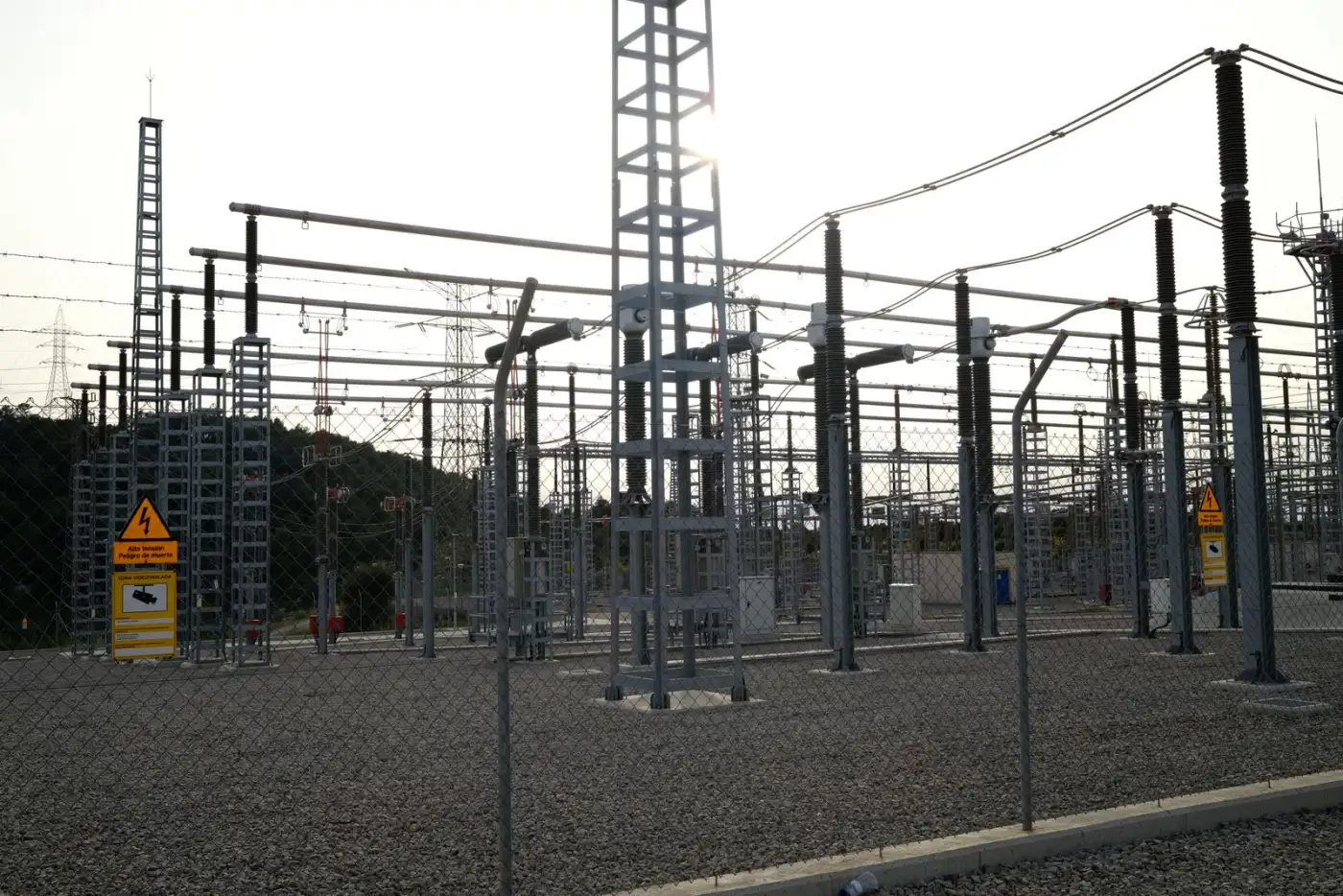
A generator needs room to operate safely, even on a compact lot.
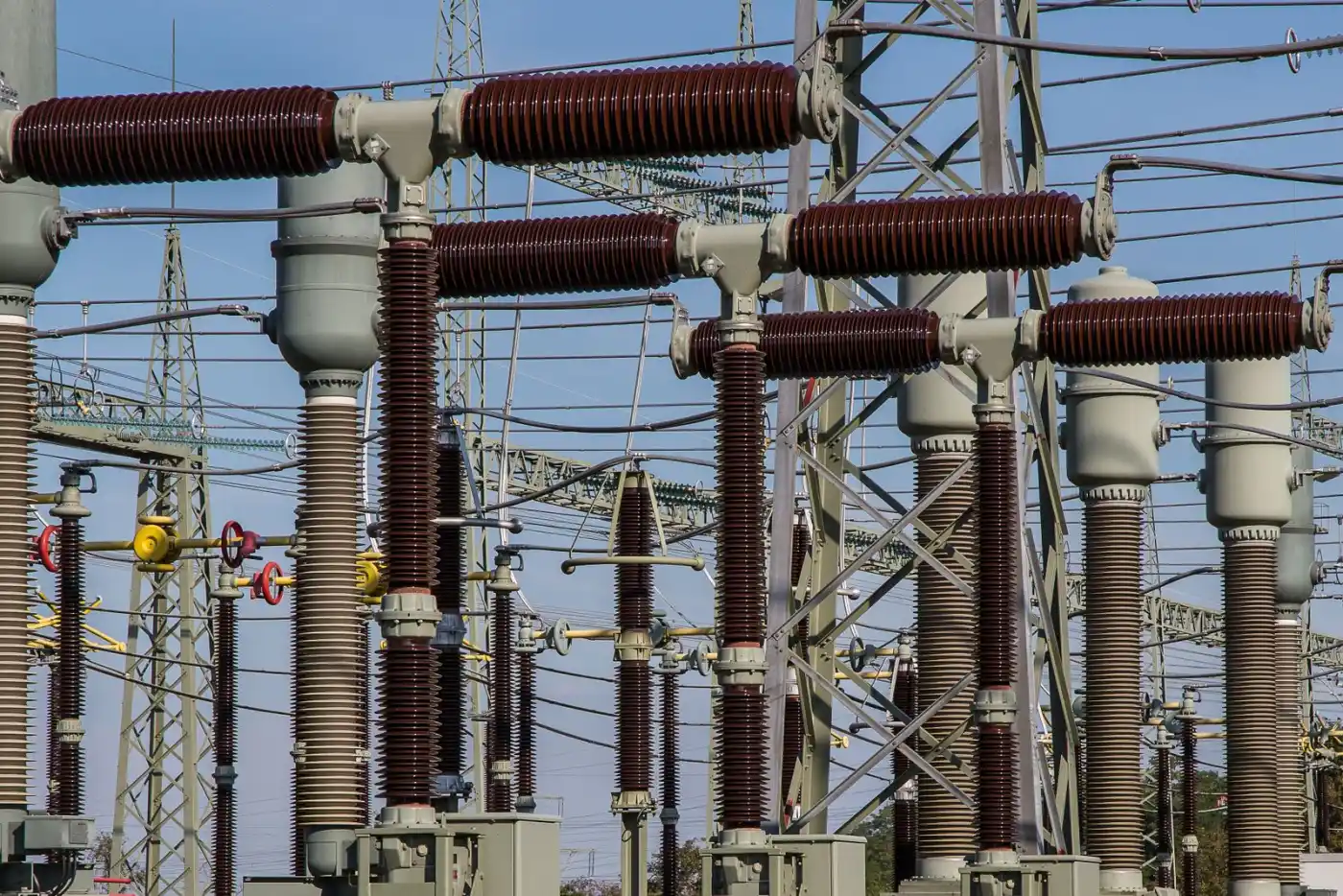
Solar panels and battery storage add another consideration to the electrical connection.


 Trustindex verifies that the original source of the review is Google.
 Trustindex verifies that the original source of the review is Google.
 Trustindex verifies that the original source of the review is Google.
 Trustindex verifies that the original source of the review is Google.
 Trustindex verifies that the original source of the review is Google.
 Trustindex verifies that the original source of the review is Google.
 Trustindex verifies that the original source of the review is Google.
 Trustindex verifies that the original source of the review is Google.
 Trustindex verifies that the original source of the review is Google.
A generator can supply electricity to your router, modem, and networking equipment when those circuits are connected to backup power. However, the internet provider’s equipment outside your home may also lose power. A small UPS can keep networking devices running during the brief interruption before generator power becomes available.
Many standby generators run automatic exercise cycles to check that the engine can start and operate. The schedule and duration vary by manufacturer and model. An exercise cycle usually doesn’t mean the house has switched to generator electricity. Check the generator’s display or manual if it runs unexpectedly.
Automatic starting removes the need for someone to be present, but it doesn’t guarantee a successful startup. A weak battery, fuel problem, maintenance issue, or equipment fault can prevent operation. Some generators support remote alerts, although those features depend on the model and a working communication connection.
Some generator models support both fuels, but conversion depends on the equipment’s design and manufacturer’s instructions. Fuel pressure, regulators, piping, and available supply must be considered. Don’t assume a generator can be converted simply by connecting a propane tank. A qualified professional should handle changes to the fuel system.
Mesa requires permits for covered electrical and mechanical installations, including changes associated with permanent backup power equipment. Placement, fuel connections, and other work may require additional review. The city adopted the 2023 National Electrical Code in January 2026. Check permit and inspection requirements before installing the equipment or pouring a permanent pad.
A damaged panel or an unsuitable connection arrangement may require electrical panel upgrades before transfer equipment can be installed.
Adding or relocating household circuits may involve separate residential electrical work, especially when selected loads need backup connections.
Whole-house surge protection limits certain voltage spikes. It doesn’t provide electricity during an outage or replace a generator.
A house can have a perfectly suitable electrical panel and still need new equipment to connect a generator. On another property, damaged wiring or incompatible distribution equipment may need attention first. Those differences matter because buying a generator doesn’t automatically mean rebuilding the rest of your electrical system.
When the lights go out, the backup system should already have a job to do. Brighton EV installs generators, transfer equipment, and the electrical connections that make standby power possible.
Call for service
Office hours
Serving the East Valley
Tell us what you need repaired or installed, and we’ll help plan the right electrical service.
By requesting an estimate, you agree that Brighton EV may call or text you about your request. Message & data rates may apply.
Tell us what you need repaired or installed, and we’ll help plan the right electrical service.
By requesting an estimate, you agree that Brighton EV may call or text you about your request. Message & data rates may apply.