
Mon–Fri 7 AM – 5 PM · Serving Mesa & the East Valley
Commercial EV charger installation in Mesa, AZ includes Level 2 stations, DC fast charging infrastructure, and multi-port systems for business properties. We handle electrical assessments, charging circuits, and equipment installation.
104 Google reviews
projects completed
years of experience
Arizona ROC license
Tell us what you need repaired or installed, and we’ll help plan the right electrical service.
By requesting an estimate, you agree that Brighton EV may call or text you about your request. Message & data rates may apply.
Certified, accredited & trusted brands





An employee car parked for eight hours and a delivery vehicle available for only forty minutes have different charging requirements. The number of parking spaces, typical parking duration, expected vehicle mileage, and simultaneous charging demand determine whether Level 2 stations or DC fast charging equipment makes sense.
For commercial EV charger installation in Mesa, AZ, the first limitation may be the existing electrical service rather than the parking area. Panel loads, available distribution capacity, feeder routes, and charger locations affect the work required. You may need additional commercial electrician services for new circuits or distribution changes.
Public and shared charging stations introduce additional decisions about who can use the equipment, whether drivers pay, and how charging activity is monitored. Brighton EV provides commercial charging installations for these applications. Payment processing, access restrictions, and remote monitoring depend on the charger and network provider you choose.
Charging equipment should match how long vehicles remain parked and how much energy they need before leaving. Site power availability and the number of simultaneous charging sessions also influence equipment selection.
Typical Charging Power
Commonly around 6–19 kW AC, depending on equipment and supply
Commonly around 6–19 kW AC, depending on equipment and supply
Electrical Considerations
Dedicated electrical circuit, available distribution capacity, and one charging connection
Dedicated electrical circuit, available distribution capacity, and one charging connection
Best For
Small offices, employee parking, and reserved commercial spaces
Small offices, employee parking, and reserved commercial spaces
Typical Charging Power
Output varies by model; some units share available power between ports
Output varies by model; some units share available power between ports
Electrical Considerations
Two charging connections, suitable circuit capacity, and potential power-sharing configuration
Two charging connections, suitable circuit capacity, and potential power-sharing configuration
Best For
Hotels, retail parking, apartment buildings, and employee lots
Hotels, retail parking, apartment buildings, and employee lots
Typical Charging Power
Adjustable charging output distributed across compatible stations
Adjustable charging output distributed across compatible stations
Electrical Considerations
Coordinated power allocation, compatible controls, and planned site capacity
Coordinated power allocation, compatible controls, and planned site capacity
Best For
Larger workplaces, multifamily properties, and fleet depots
Larger workplaces, multifamily properties, and fleet depots
Typical Charging Power
Commonly 50–350 kW, depending on charger specifications
Commonly 50–350 kW, depending on charger specifications
Electrical Considerations
High-capacity electrical supply, potential transformer or utility upgrades, and DC charging equipment
High-capacity electrical supply, potential transformer or utility upgrades, and DC charging equipment
Best For
Public charging locations, high-turnover sites, and fleets with limited charging time
Public charging locations, high-turnover sites, and fleets with limited charging time
Actual charging performance depends on the electrical supply, equipment rating, vehicle charging limits, and simultaneous demand. DC fast charging may require substantial utility infrastructure changes.
Share your parking capacity, vehicle types, and expected charging hours. We’ll discuss which charging configuration fits your site’s electrical requirements.
Compatible commercial EV chargers can share a defined electrical capacity through managed charging. When several vehicles connect, the system adjusts charging output across participating stations to remain within the configured power limit. This can control simultaneous electrical demand, but the site’s existing service, feeders, and distribution equipment must still be evaluated before installation.
Tell us what you need repaired or installed, and we’ll help plan the right electrical service.
By requesting an estimate, you agree that Brighton EV may call or text you about your request. Message & data rates may apply.
Our 26+ years of electrical expertise include work on major commercial construction projects and electrical distribution systems.
Available service capacity, existing building loads, and anticipated charging demand help determine the necessary electrical infrastructure.
Charger positions account for parking space dimensions, vehicle charging-port locations, cable reach, and required accessible routes.
Brighton EV handles electrical distribution modifications, including electrical panel upgrades and dedicated circuits where additional charging demand requires them.
Networked equipment may require reliable connectivity for charging access, payment processing, session monitoring, and remote management.
Consider provisions for additional conduits, available distribution space, and future charging locations during initial installation planning.
Commercial charging projects require coordination between electrical capacity, parking locations, equipment specifications, permitting, and final activation. The installation sequence depends on the property’s existing infrastructure and intended charging use.
Vehicle quantities, daily mileage, parking duration, and departure schedules establish the necessary charging output and number of ports.
Electrical distribution, utility capacity, conduit routes, equipment placement, and accessibility requirements determine the proposed installation design.
After obtaining applicable approvals, the team installs charging circuits, feeders, protective equipment, and stations, coordinating site construction as needed.
Before use, we check electrical operation, configured charging limits, communication functions, and applicable access settings against equipment requirements.
Commercial charging needs vary according to the vehicles using a property and how long they remain parked. Equipment selection should reflect operating schedules, charging access, and the number of available parking spaces.
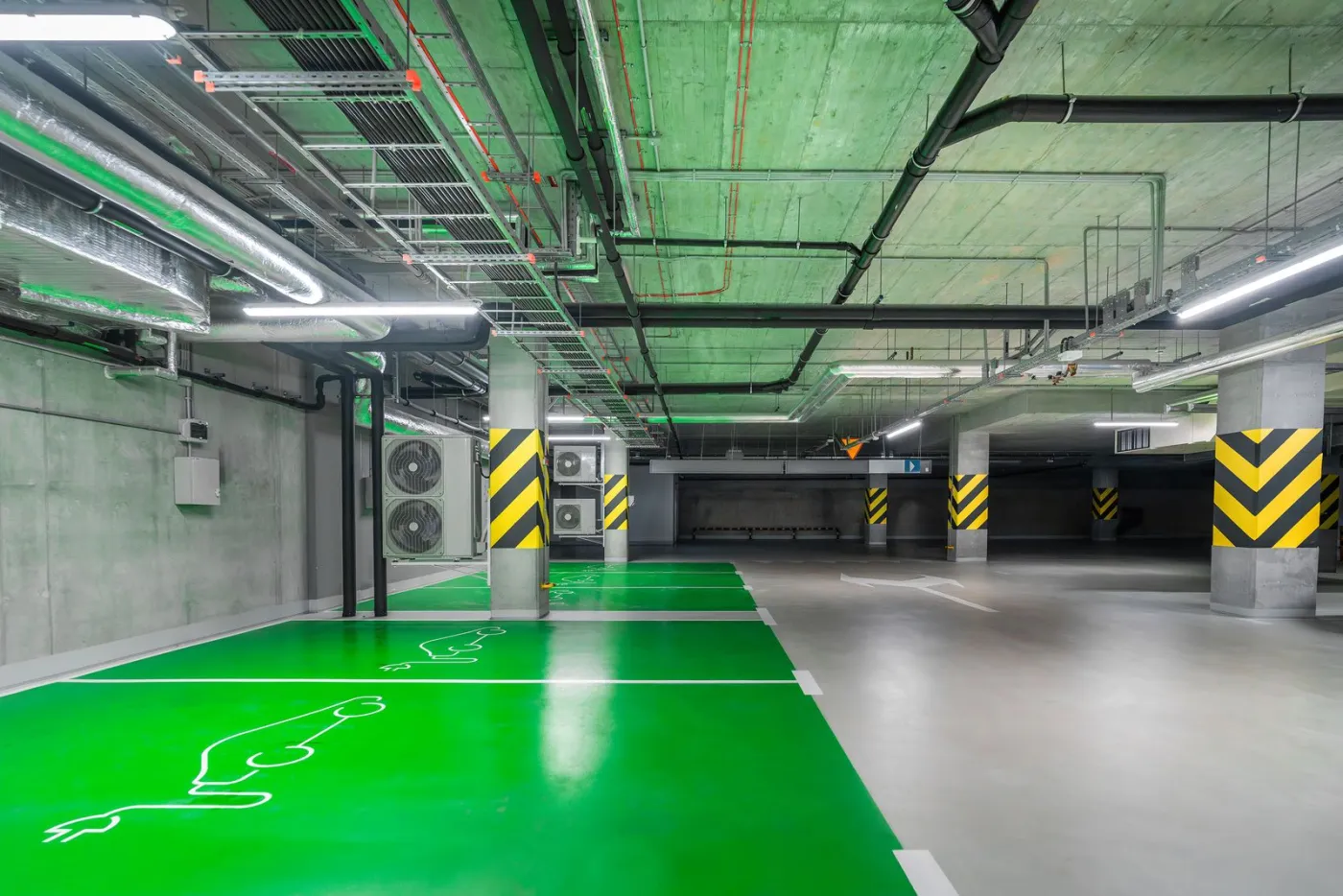
Support employee charging and scheduled charging for business-operated vehicles.
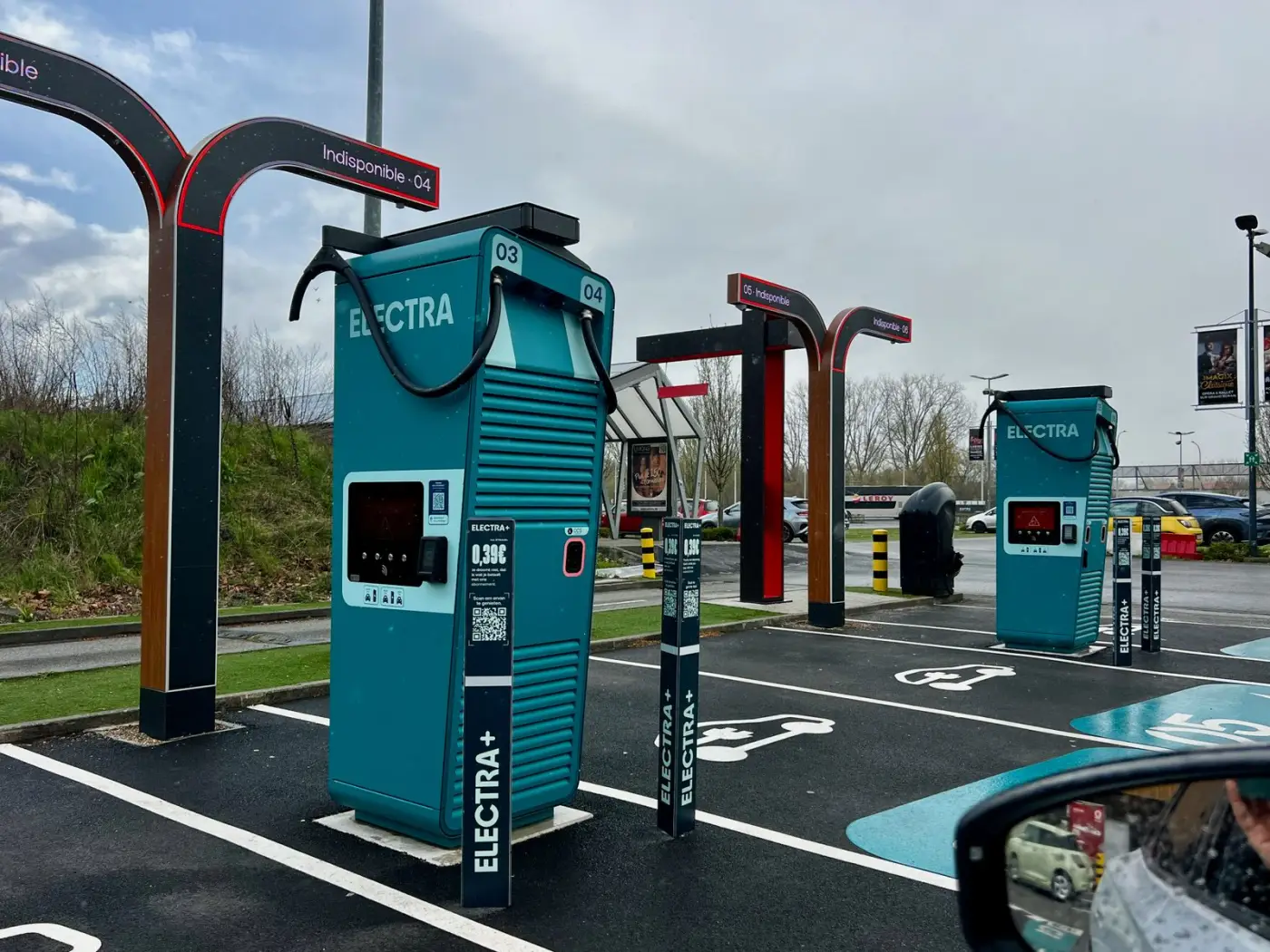
Provide charging access for customers, visitors, tenants, and shared parking areas.


 Trustindex verifies that the original source of the review is Google.
 Trustindex verifies that the original source of the review is Google.
 Trustindex verifies that the original source of the review is Google.
 Trustindex verifies that the original source of the review is Google.
 Trustindex verifies that the original source of the review is Google.
 Trustindex verifies that the original source of the review is Google.
 Trustindex verifies that the original source of the review is Google.
 Trustindex verifies that the original source of the review is Google.
 Trustindex verifies that the original source of the review is Google.
Commercial charging stations can support paid sessions when the selected equipment and network provide compatible payment features. Options may include per-session, time-based, or energy-based pricing where permitted. Property owners should review payment processing fees, network subscriptions, applicable billing rules, and who will manage customer support.
Several chargers operating simultaneously can increase a property’s peak electrical demand. Utilities that apply demand-based billing may charge for the highest measured power usage during the billing period. Managed charging and scheduled fleet charging can help control peak demand, depending on the property’s equipment and electricity rate.
A quote for commercial EV charger installation in Mesa, AZ should account for charging equipment, electrical capacity, conduit runs, trenching where needed, permitting, and potential utility upgrades. DC fast charging generally requires greater electrical infrastructure than Level 2 stations. Evaluate network subscriptions and ongoing electricity charges separately.
Applicable accessibility requirements can influence charging-space dimensions, access aisles, equipment reach ranges, cable placement, and accessible routes. Public and shared charging sites may have different obligations depending on the property. Review the proposed layout against applicable ADA standards, local codes, and accessibility guidance before installation.
Offline charging behavior depends on the equipment and network configuration. Some stations can continue authorized charging sessions without connectivity, while payment authentication, remote monitoring, or new session authorization may be interrupted. Before purchasing networked chargers, ask the equipment provider about offline operation, stored transactions, and connection recovery.
New charging equipment may require feeders, dedicated branch circuits, electrical distribution changes, or additional capacity at the existing commercial service.
Diagnose electrical faults involving breakers, wiring connections, or charging circuits before returning damaged equipment to service.
Business owners and employees can also arrange home EV charger installation for their properties.
A commercial charging project should account for the number of stations required now and the possibility of adding more later. Electrical distribution, conduit routes, network access, and operating costs influence those decisions. Schedule an electrical consultation with Brighton EV to discuss your property and proposed charging equipment.
Tell us your property type, proposed charging spaces, preferred equipment, and available electrical service details. We’ll discuss the installation requirements and next steps.
Call for service
Office hours
Serving the East Valley
Tell us what you need repaired or installed, and we’ll help plan the right electrical service.
By requesting an estimate, you agree that Brighton EV may call or text you about your request. Message & data rates may apply.
Tell us what you need repaired or installed, and we’ll help plan the right electrical service.
By requesting an estimate, you agree that Brighton EV may call or text you about your request. Message & data rates may apply.