
Mon–Fri 7 AM – 5 PM · Serving Mesa & the East Valley
Need a Tesla Powerwall installer in Mesa, AZ? Brighton EV installs Powerwall 3 battery systems, including backup transfer equipment and solar connections where applicable, with electrical planning based on the circuits you want powered.
104 Google reviews
projects completed
years of experience
Arizona ROC license
Tell us what you need repaired or installed, and we’ll help plan the right electrical service.
By requesting an estimate, you agree that Brighton EV may call or text you about your request. Message & data rates may apply.
Certified, accredited & trusted brands





Powerwall 3 stores 13.5 kWh of electricity for use during a grid outage or at another time, depending on its operating settings. Stored energy and power output differ: battery capacity affects how long appliances can run, while power output limits how much electrical demand the system can support at once.
Solar panels can recharge a compatible Powerwall system during daylight hours, including during an outage when configured for solar backup. Homes without solar can charge the battery from the electrical grid. Powerwall 3 includes an integrated solar inverter, but connecting existing panels requires reviewing inverter compatibility and the property’s electrical configuration.
Backup operation also depends on equipment that detects utility power loss and isolates the home from the grid. Depending on the approved design, this may involve a Backup Gateway, Backup Switch, or Gateway 3. Circuit selection, electrical distribution, mounting location, and transfer equipment requirements determine the installation scope.
Choosing a battery system depends on the circuits you want backed up, the electricity they consume, and your preferred backup duration. Different configurations provide different coverage and storage capacity.
Battery Capacity
13.5 kWh with one Powerwall 3
13.5 kWh with one Powerwall 3
Electrical Setup
Selected circuits connected through compatible backup transfer equipment and distribution
Selected circuits connected through compatible backup transfer equipment and distribution
Best For
Homes prioritizing refrigeration, lighting, internet, and essential appliances
Homes prioritizing refrigeration, lighting, internet, and essential appliances
Battery Capacity
13.5 kWh per Powerwall 3; additional units as required
13.5 kWh per Powerwall 3; additional units as required
Electrical Setup
Compatible whole-home transfer equipment, with battery output sized for the intended electrical loads
Compatible whole-home transfer equipment, with battery output sized for the intended electrical loads
Best For
People wanting backup coverage for all household circuits
People wanting backup coverage for all household circuits
Battery Capacity
27 kWh with one Powerwall 3 and one Expansion unit
27 kWh with one Powerwall 3 and one Expansion unit
Electrical Setup
Additional battery storage connected to a compatible Powerwall 3 system
Additional battery storage connected to a compatible Powerwall 3 system
Best For
If you’re requiring longer backup duration without necessarily increasing power output
If you’re requiring longer backup duration without necessarily increasing power output
Battery Capacity
13.5 kWh per Powerwall 3, expandable
13.5 kWh per Powerwall 3, expandable
Electrical Setup
Compatible solar integration, battery storage, and backup transfer equipment
Compatible solar integration, battery storage, and backup transfer equipment
Best For
Homeowners wanting to store solar production for later use and backup
Homeowners wanting to store solar production for later use and backup
Whole-home backup does not guarantee that every appliance can operate simultaneously or for a particular duration. Expansion units increase stored energy, not the base Powerwall’s inverter output.
Tell us which appliances must remain powered during an outage, whether you have solar panels, and your preferred backup duration.
One Powerwall 3 stores 13.5 kWh and can supply up to 11.5 kW of continuous power, depending on its configuration. Battery quantity depends on which circuits need backup, simultaneous appliance demand, and desired outage duration. A Tesla Powerwall installer in Mesa, AZ can compare those loads with the proposed system’s usable energy and output.
Tell us what you need repaired or installed, and we’ll help plan the right electrical service.
By requesting an estimate, you agree that Brighton EV may call or text you about your request. Message & data rates may apply.
Tesla-certified installation experience supports Powerwall equipment integration, manufacturer requirements, and the commissioning process for residential battery systems.
Our 26+ years of electrical expertise include solar industry experience, with previous supervisory work on Arizona solar projects.
Selected appliances, circuit loads, and expected backup duration help determine battery quantity and the appropriate backup configuration.
Existing electrical distribution may need changes to accommodate backed-up circuits, control equipment, metering, or solar connections.
Brighton EV operates as a licensed, bonded, and insured Arizona electrical contractor under ROC License #355332.
Powerwall commissioning includes applicable grid settings, battery communication, metering, operating modes, and Tesla app monitoring setup.
Powerwall installation involves assessing the home’s backup loads, selecting compatible electrical equipment, connecting battery storage, and verifying system operation when utility power fails.
First, identify the appliances that must remain available during outages and the electrical demand they represent.
Panel configuration, battery placement, transfer hardware, and solar connections determine the required equipment arrangement and electrical modifications.
After the design is approved, we mount, wire, and connect the Powerwall and associated equipment to the electrical system.
Commissioning includes checking battery communications, backup transfer operation, applicable circuit loads, and monitoring through the Tesla app.
Powerwall 3 can store electricity from compatible solar equipment or the utility grid. The charging source, existing electrical system, and intended backup circuits determine how you connect the battery.
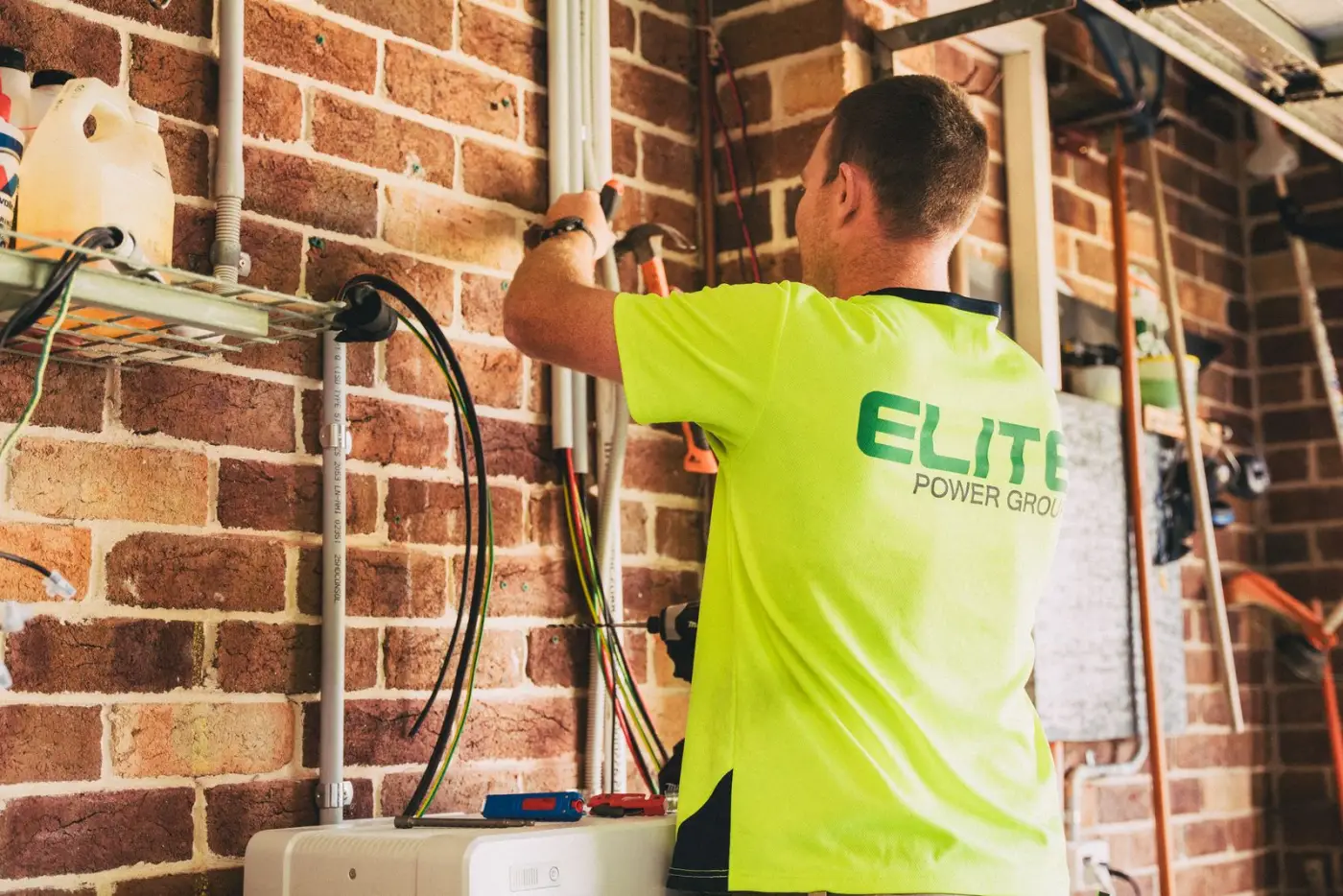
Store compatible solar production for nighttime use and backup power.
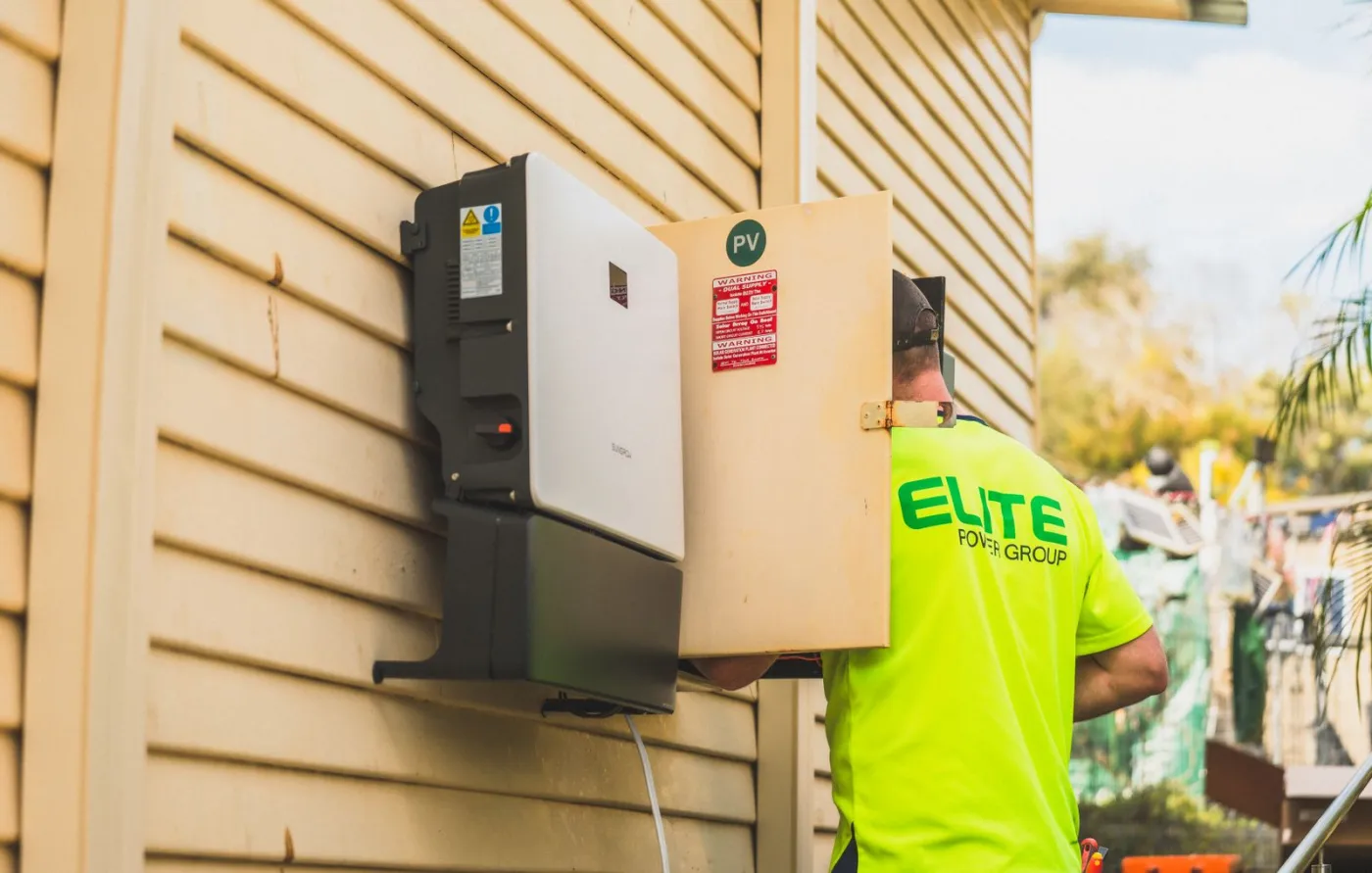
Use grid-charged battery storage to support selected household electrical loads.


 Trustindex verifies that the original source of the review is Google.
 Trustindex verifies that the original source of the review is Google.
 Trustindex verifies that the original source of the review is Google.
 Trustindex verifies that the original source of the review is Google.
 Trustindex verifies that the original source of the review is Google.
 Trustindex verifies that the original source of the review is Google.
 Trustindex verifies that the original source of the review is Google.
 Trustindex verifies that the original source of the review is Google.
 Trustindex verifies that the original source of the review is Google.
Battery quantity, Expansion units, backup transfer equipment, electrical panel modifications, wiring distance, and solar integration influence the installed cost. Ask your Tesla Powerwall installer in Mesa, AZ, to itemize battery hardware, electrical labor, permits, and additional equipment so you can compare the complete project scope.
Air-conditioning backup depends on the unit’s running wattage, compressor startup demand, and other appliances operating simultaneously. Powerwall 3 supports up to 11.5 kW of continuous output, subject to configuration. Even with a compatible air conditioner, its electricity consumption can substantially shorten the available backup duration.
Powerwall 3 can be integrated with compatible existing solar systems, but the installation depends on the current inverter, wiring, and electrical arrangement. Its integrated solar inverter may allow a different configuration. The installer must evaluate equipment compatibility before deciding whether modifications or an inverter replacement are needed.
When stored energy becomes too low, Powerwall can stop supplying the home’s backed-up circuits. A compatible solar installation may recharge the battery when sufficient sunlight returns. Without available solar production, an exhausted grid-charged system generally must wait for utility power to return before recharging.
Home battery installations require applicable electrical permits and inspections. Mesa Electric Utility also has interconnection procedures for certain solar and storage projects. Requirements depend on the property’s jurisdiction, electric provider, and system design. The installer should establish the relevant approvals before scheduling electrical connections and final system activation.
Existing electrical equipment may require panel replacement services when the backup design calls for distribution changes, additional equipment, or corrective work.
For homes with existing panels, solar electrical inspections can assess inverter connections, wiring conditions, and equipment concerns before battery integration.
Homeowners adding Tesla vehicle charging can arrange Tesla Wall Connector installation as a separate project with its own circuit requirements.
Battery storage, backup circuits, solar equipment, and electrical distribution must work within the approved system design. Some installations need additional panels or transfer equipment, while others can use suitable existing components. To discuss the equipment already installed at your property, contact our electrical team and describe your planned backup requirements.
Share your current solar setup, major electrical appliances, and preferred backup circuits. We can discuss battery capacity, electrical modifications, and installation requirements.
Call for service
Office hours
Serving the East Valley
Tell us what you need repaired or installed, and we’ll help plan the right electrical service.
By requesting an estimate, you agree that Brighton EV may call or text you about your request. Message & data rates may apply.
Tell us what you need repaired or installed, and we’ll help plan the right electrical service.
By requesting an estimate, you agree that Brighton EV may call or text you about your request. Message & data rates may apply.